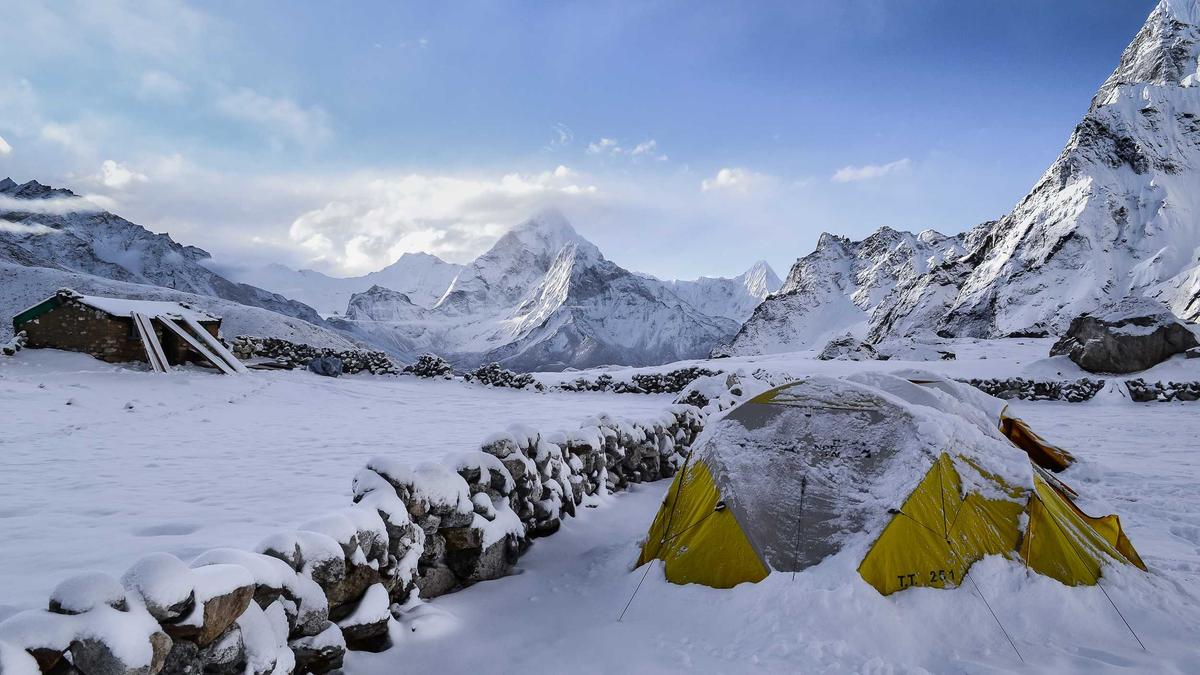
Research at 5,000 meters
Altitude sickness affects about half of people who climb above 4,000 meters, causing headaches, nausea and, in rare cases, life-threatening swelling of the brain or lungs. There is no reliable way to know in advance who will get sick.
In fall 2025, researchers from the Department of Kinesiology followed 90 volunteer climbers on a 16-day trek to about 5,300 meters in the Himalayas. Before the trip, each climber gave a blood sample and completed fitness tests. During the trek, the team recorded symptoms, oxygen levels and heart rates every morning and evening at camp.
The results
Forty-one climbers developed acute mountain sickness. Fitness levels and age did not predict who got sick. But climbers with low levels of one blood protein involved in how the body responds to low oxygen were four times more likely to develop symptoms. The test correctly identified 78 percent of those who became ill.
The researchers stress that the test is not yet ready for use outside a study. The results must be confirmed in a larger group of climbers with different ages and backgrounds.
Fit people get altitude sickness too, and they often push through it when they shouldn't. A test that says 'you're at higher risk, go slower' could prevent real harm.
The team plans a larger study with 400 trekkers and hopes to develop a low-cost version of the test. Four graduate students joined the expedition as field researchers. The findings appear this month in a peer-reviewed journal of wilderness medicine. More information is on the Altitude Physiology Lab page.